


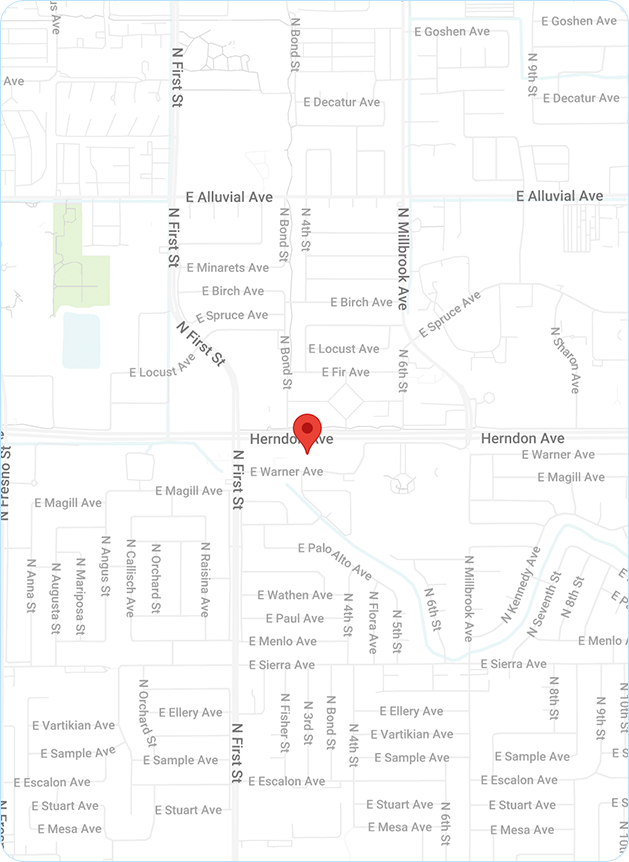
1111 E. Herndon Ave, Suite 101
Fresno, CA 93720

How Astigmatism Affects Night Driving in Fresno and What You Can Do About It
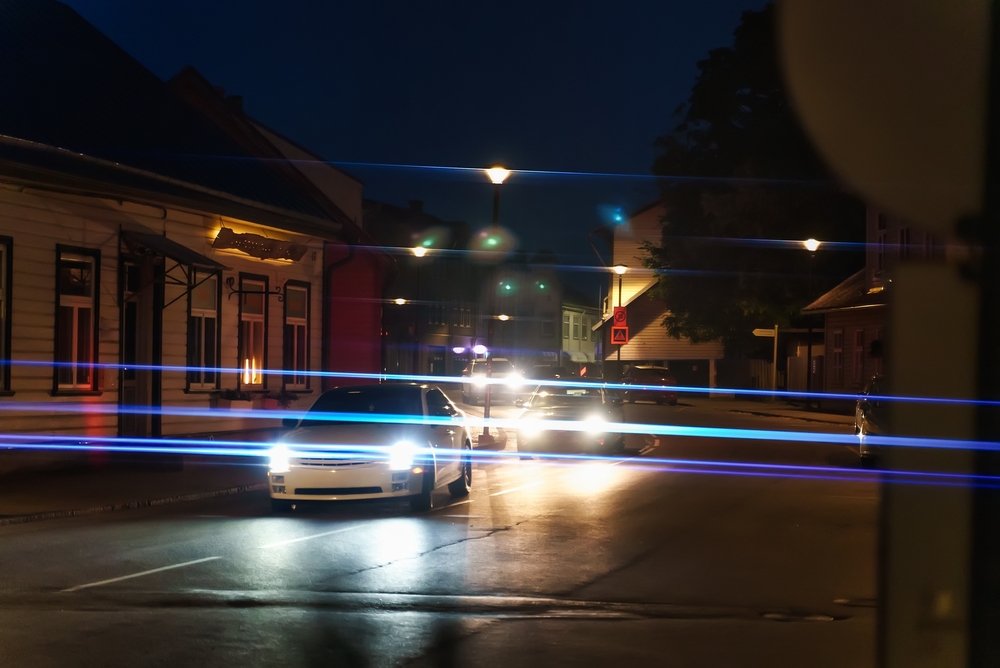
Driving at night can become challenging when headlights appear blurry, streetlights create halos, or road signs are difficult to read. While several vision conditions can contribute to these problems, astigmatism is a common cause. At Lifetime Optometric in Fresno, CA, we help patients understand how astigmatism affects their vision and explore options for improving clarity and comfort, especially when driving after dark.
Why Does Astigmatism Make Night Driving Difficult?
Astigmatism is a common refractive error that occurs when the cornea or lens has an irregular curvature. Instead of focusing light evenly onto the retina, the eye focuses light at different points, causing blurred or distorted vision.
During daylight hours, mild astigmatism may go unnoticed. However, when driving at night, reduced lighting causes the pupils to enlarge, potentially making visual distortions more noticeable. For drivers, this can make navigating busy intersections, identifying road signs, and judging distances more difficult.
Common Signs of Astigmatism
Astigmatism can affect how your eyes process headlights, traffic signals, and other sources of light. Some common symptoms include:
- Halos Around Lights: Headlights and streetlights may appear surrounded by glowing rings.
- Starbursts: Bright lights may produce streaks or rays extending outward.
- Blurry Road Signs: Signs and distant objects may become difficult to recognize clearly.
- Increased Glare: Oncoming headlights may seem unusually bright or distracting.
- Eye Strain: Squinting to improve focus can contribute to tired eyes and headaches.
- Difficulty Judging Distances: Blurred vision may make it harder to estimate how far away vehicles or objects are.
These symptoms are not always caused by astigmatism. Dry eye, cataracts, and other vision problems can produce similar effects, making a comprehensive eye exam important.
Fortunately, several options may help improve nighttime vision when astigmatism is properly evaluated and corrected.
Update Your Eyeglass Prescription
Even small prescription changes can affect visual clarity. At Lifetime Optometric, we perform comprehensive eye exams in Fresno to evaluate astigmatism and determine whether updated prescription lenses may improve your vision.
Anti-reflective coatings can help reduce reflections on eyeglass lenses, potentially improving visual comfort when driving at night. While these coatings do not correct astigmatism themselves, they can complement properly prescribed glasses.
Certain contact lenses, including toric lenses, are designed to correct astigmatism. We can evaluate your prescription, eye health, and lifestyle to help determine whether contact lenses are appropriate for your needs.
When Should You Schedule an Eye Exam?
If nighttime glare, blurred headlights, or difficulty seeing road signs is affecting your confidence behind the wheel, it may be time for an updated eye exam. At our Fresno office, we assess refractive errors such as astigmatism while also checking for other eye conditions that may affect nighttime vision. Identifying the underlying cause allows us to recommend appropriate corrective lenses or additional care.
If astigmatism is making nighttime driving uncomfortable or difficult, schedule a comprehensive eye exam with Lifetime Optometric to explore options for clearer, more comfortable vision. Visit our office in Fresno, CA, or call (559) 432-2200 to book an appointment today.

© 2026 Lifetime Optometric. All rights Reserved - Accessibility Statement - Privacy Policy - Sitemap
Powered by
