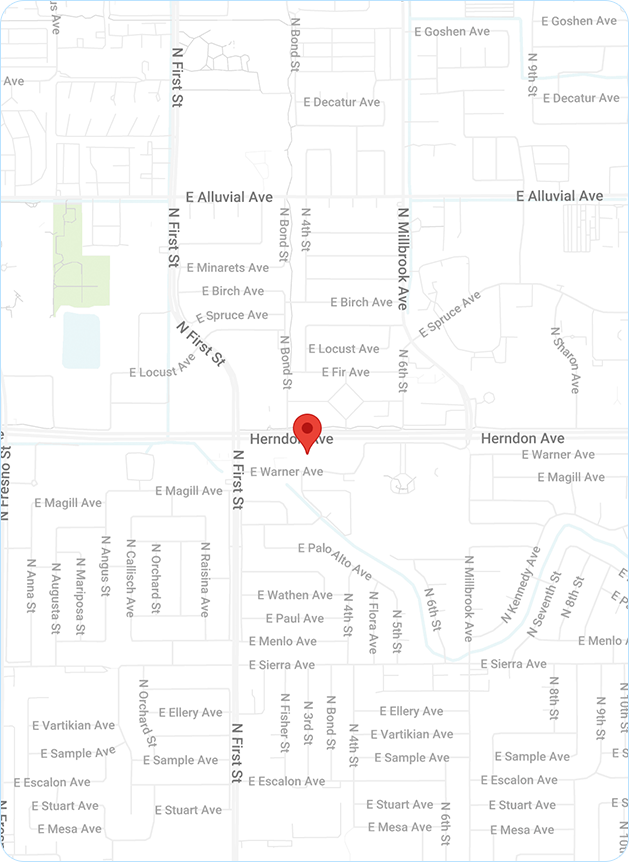
1111 E. Herndon Ave, Suite 101
Fresno, CA 93720

FAQ: Dry Eye Treatment in Fresno, CA
At Lifetime Optometric, we provide comprehensive dry eye treatment in Fresno, CA for patients dealing with ongoing irritation, burning, fluctuating vision, watery eyes, and other uncomfortable symptoms. We focus on identifying what is causing your dry eye so we can personalized treatment that addresses the source of the problem. Below are frequently asked questions on dry eye treatment.
1. What is dry eye, and how is it treated in Fresno, CA?
Dry eye occurs when your eyes do not produce enough tears or when your tear film lacks the quality needed to keep the eye surface properly lubricated. At Lifetime Optometric in Fresno, we evaluate the underlying cause before recommending dry eye treatment. This allows us to address factors such as inflammation, poor tear quality, meibomian gland dysfunction, or eyelid concerns rather than simply managing symptoms.
2. What causes dry eye for patients?
Dry eye can develop for many reasons, including meibomian gland dysfunction, inflammation, prolonged screen use, certain medications, aging, environmental conditions, and eyelid problems. Some patients have more than one contributing factor. We identify the causes affecting your eyes so your dry eye treatment can be tailored specifically to your needs.
3. How do I know if I need dry eye treatment?
If you regularly experience burning, stinging, redness, grittiness, excessive watering, eye fatigue, light sensitivity, or fluctuating blurry vision, we recommend a dry eye evaluation at our Fresno, CA office. Persistent symptoms should not be dismissed as normal irritation. Determining the cause early allows us to recommend appropriate dry eye treatment and help prevent ongoing discomfort.
4. What is MGD, and can it cause dry eye?
Meibomian gland dysfunction, or MGD, is a common contributor to evaporative dry eye. The meibomian glands produce oils that help prevent tears from evaporating too quickly. When these glands become blocked or do not function properly, the tear film becomes less stable. At Lifetime Optometric in Fresno, CA, we evaluate meibomian gland health and recommend treatments designed to improve gland function when MGD is present.
5. Can blepharitis contribute to dry eye symptoms?
Yes. Blepharitis causes inflammation along the eyelid margins and can interfere with healthy tear production and meibomian gland function. Patients may notice redness, itching, irritation, crusting, or a gritty sensation. We evaluate the eyelids as part of dry eye care and can recommend targeted treatments, including professional eyelid cleansing, when blepharitis is contributing to symptoms.
6. How do you diagnose dry eye at your Fresno, CA office?
At our Fresno, CA practice, we assess your symptoms, tear film, eyelids, and meibomian glands to determine what is driving your dry eye. A detailed evaluation helps us distinguish between different forms and contributing factors instead of relying on symptoms alone. From there, we create a treatment plan based on the severity and specific cause of your condition.
7. What dry eye treatments do you offer in Fresno, CA?
Lifetime Optometric offers several advanced options for dry eye treatment in Fresno, CA. Depending on your evaluation, your care may involve OptiLight IPL, TriLift, Low-Level Light Therapy or LLLT, LipiFlow, ZEST, prescription therapies, or other targeted approaches. We select treatments based on your tear quality, inflammation, meibomian gland function, eyelid health, and overall symptoms.
8. How does OptiLight IPL help dry eye patients?
OptiLight IPL uses controlled pulses of light to address inflammation and support healthier meibomian gland function. This treatment can be especially useful when inflammation or gland dysfunction is contributing to unstable tears. We determine whether OptiLight IPL is appropriate after evaluating your eyes and identifying the factors behind your symptoms.
9. How can LLLT help with dry eye?
Low-Level Light Therapy, or LLLT, uses gentle light energy to support cellular activity and meibomian gland function. LLLT may be incorporated into a dry eye treatment plan when gland dysfunction or inflammation is affecting tear quality. Treatment recommendations are based on your individual findings rather than using the same approach for every patient.
10. What is LipiFlow?
LipiFlow is an in-office treatment designed to address blocked meibomian glands using controlled heat and gentle massage. By helping clear gland blockages, LipiFlow can improve the oil component of the tear film for appropriate patients. At Lifetime Optometric in Fresno, CA, we determine whether LipiFlow is suited to your type and severity of dry eye.
11. What is ZEST, and how does it help dry eye patients?
ZEST is an in-office eyelid cleansing treatment that removes debris, bacteria, biofilm, and excess oils from the eyelids and lash line. ZEST can be particularly beneficial when poor eyelid hygiene or blepharitis is contributing to dry eye symptoms. Improving eyelid cleanliness supports healthier meibomian gland function and overall eye comfort.
12. Where does TriLift fit into dry eye care?
TriLift is one of the technologies available through our Dry Eye Center in Fresno, CA. Because dry eye can involve multiple contributing factors, we first perform an evaluation to determine whether TriLift is appropriate for your specific needs and how it may fit into a broader treatment plan. Our goal is always to choose therapies based on what we find during your examination.
13. Can multiple dry eye treatments be combined?
Yes. Many patients have more than one factor contributing to dry eye, so combining treatments can be appropriate. For example, treatment may need to address inflammation, blocked meibomian glands, and eyelid hygiene at the same time. We build a personalized dry eye treatment plan and adjust it based on your diagnosis, response to care, and long-term eye health needs.
14. How long does it take to notice improvement after dry eye treatment?
The timeline varies because dry eye treatment depends on the cause, severity, and therapies being used. Some patients notice improvement relatively quickly, while chronic MGD, blepharitis, or significant inflammation may require ongoing management. We monitor your progress and make adjustments when needed so your treatment continues to address the underlying factors affecting your comfort and tear quality.
15. Why choose Lifetime Optometric for dry eye treatment in Fresno, CA?
Patients choose Lifetime Optometric for dry eye treatment in Fresno, CA because we take a comprehensive, individualized approach rather than relying on temporary symptom relief alone. Our Dry Eye Center offers advanced technologies including OptiLight, TriLift, LLLT, LipiFlow, and ZEST, allowing us to build treatment plans around each patient's specific diagnosis and needs.
If dry, irritated, watery, or uncomfortable eyes are interfering with your daily life, contact Lifetime Optometric in Fresno, CA to schedule a dry eye evaluation and learn which treatment options are right for you. Call us at (559) 432-2200 to get started.

© 2026 Lifetime Optometric. All rights Reserved - Accessibility Statement - Privacy Policy - Sitemap
Powered by
